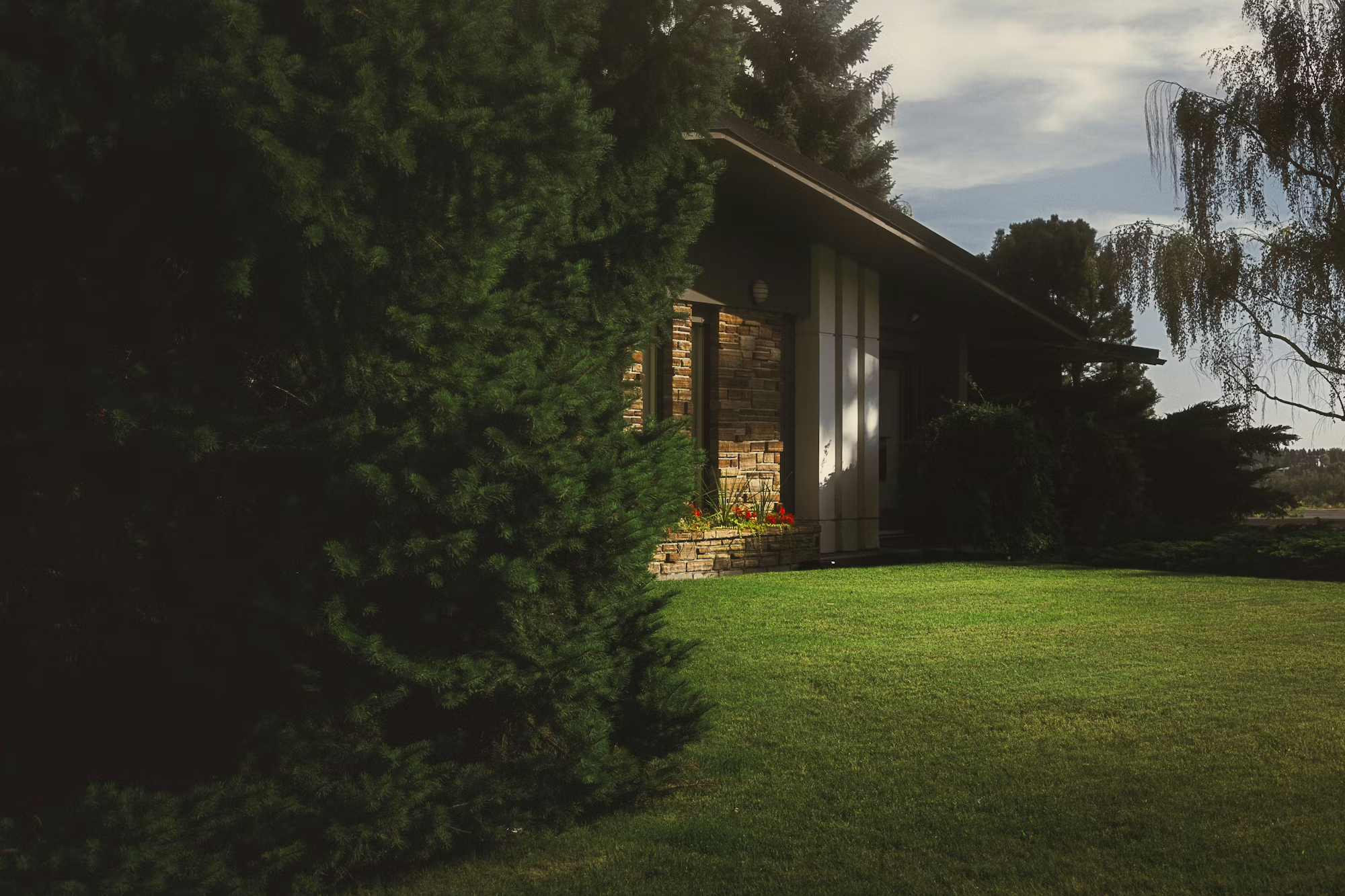
In recent years, there has been a noticeable shift in how homeowners approach outdoor living. As urban environments grow and the pace of life quickens, the importance of creating serene outdoor spaces has become increasingly clear. Gardens and patios are no longer just afterthoughts; they are essential extensions of our homes that enhance our well-being, provide a space for relaxation, and foster connections with nature.
The trend of outdoor living spaces reflects a desire for balance in a busy world. With more people working from home and spending time indoors, having a well-designed outdoor area offers an escape from the confines of the house. It allows individuals to step outside, breathe fresh air, and enjoy the therapeutic benefits of nature. From small balconies to expansive backyards, homeowners are investing time and resources into transforming these spaces into their personal sanctuaries.
One of the primary reasons for this shift is the growing awareness of the mental health benefits associated with spending time outdoors. Research has shown that exposure to green spaces can reduce stress, improve mood, and enhance overall well-being. As such, creating a garden or outdoor area becomes not just a design choice but a lifestyle choice aimed at improving quality of life. Homeowners are increasingly incorporating elements that promote relaxation, such as comfortable seating areas, water features, and lush plantings, into their outdoor designs.
When it comes to designing outdoor spaces, the concept of biophilic design plays a crucial role. Biophilic design focuses on creating a connection between humans and nature, integrating natural elements into the built environment. This approach often includes using native plants, natural materials, and water features to create a harmonious atmosphere. For example, homeowners might choose to plant a variety of native flowers and shrubs that attract local wildlife, such as butterflies and birds, further enriching their outdoor experience. This not only benefits the environment but also enhances the beauty and tranquility of the space.
Moreover, outdoor living spaces are becoming increasingly multifunctional. Homeowners are looking for ways to make their gardens versatile enough to accommodate various activities, from entertaining guests to practicing yoga or simply enjoying a morning coffee. This trend has led to the rise of outdoor kitchens, dining areas, and fire pits, allowing for year-round enjoyment. By integrating features such as comfortable seating, ambient lighting, and cooking facilities, outdoor areas can seamlessly transition from a daytime retreat to an evening gathering spot.
The incorporation of technology is another factor shaping outdoor living spaces. Smart home technology has found its way into gardens, allowing homeowners to control lighting, irrigation systems, and even outdoor entertainment systems from their smartphones. This advancement not only enhances convenience but also ensures that gardens remain beautiful and well-maintained with minimal effort. For instance, smart irrigation systems can optimize water usage based on weather conditions, promoting sustainability while ensuring that plants thrive.
A significant trend in outdoor design is the embrace of sustainable practices. Homeowners are increasingly aware of their environmental impact and are looking for ways to reduce their carbon footprint. This includes opting for sustainable materials for outdoor structures, using eco-friendly landscaping techniques, and creating wildlife-friendly habitats. Raised garden beds, composting systems, and rainwater collection barrels are just a few examples of how sustainability can be integrated into garden design. These practices not only benefit the environment but also create a more resilient and self-sufficient outdoor space.
In terms of aesthetics, the style of outdoor spaces is becoming more diverse and personalized. Homeowners are exploring various design themes that reflect their personal tastes and lifestyles. From contemporary minimalist gardens with sleek lines to lush cottage gardens overflowing with colorful blooms, the options are limitless. The choice of plants, furniture, and decorative elements plays a vital role in creating a cohesive outdoor design that aligns with the homeowner’s vision.
Outdoor art and decor are also gaining popularity as homeowners seek to express their creativity and add unique touches to their gardens. Sculptures, murals, and decorative planters can transform an ordinary space into a vibrant oasis. Incorporating personal touches and locally sourced materials not only enhances the visual appeal but also creates a deeper connection to the space.
Another aspect to consider is the role of community in outdoor spaces. As more people embrace gardening and outdoor activities, the sense of community has flourished. Neighbors often come together to share gardening tips, trade plants, and even organize outdoor gatherings. Community gardens have emerged as a popular way to foster connections and promote sustainable practices. These shared spaces encourage collaboration and provide opportunities for individuals to learn from one another while enjoying the beauty of nature.
As the trend of outdoor living spaces continues to grow, so does the importance of maintenance. Homeowners are recognizing that a beautiful garden requires ongoing care and attention. This has led to an increased interest in gardening education, with many seeking resources to improve their skills. Workshops, online courses, and gardening clubs are becoming more popular as people look to deepen their understanding of horticulture and landscape design. By investing in their gardening knowledge, homeowners can create and maintain spaces that not only enhance their properties but also contribute positively to the environment.
In conclusion, the rise of outdoor living spaces reflects a deeper understanding of the importance of nature in our lives. By creating beautiful and functional gardens, homeowners are investing in their well-being and fostering connections with the natural world. Whether through sustainable practices, multifunctional designs, or personalized aesthetics, the outdoor spaces we cultivate can serve as sanctuaries that enrich our daily lives. As we continue to embrace the beauty and benefits of outdoor living, we are reminded of the importance of nurturing our connection to nature and the joy it brings to our homes.