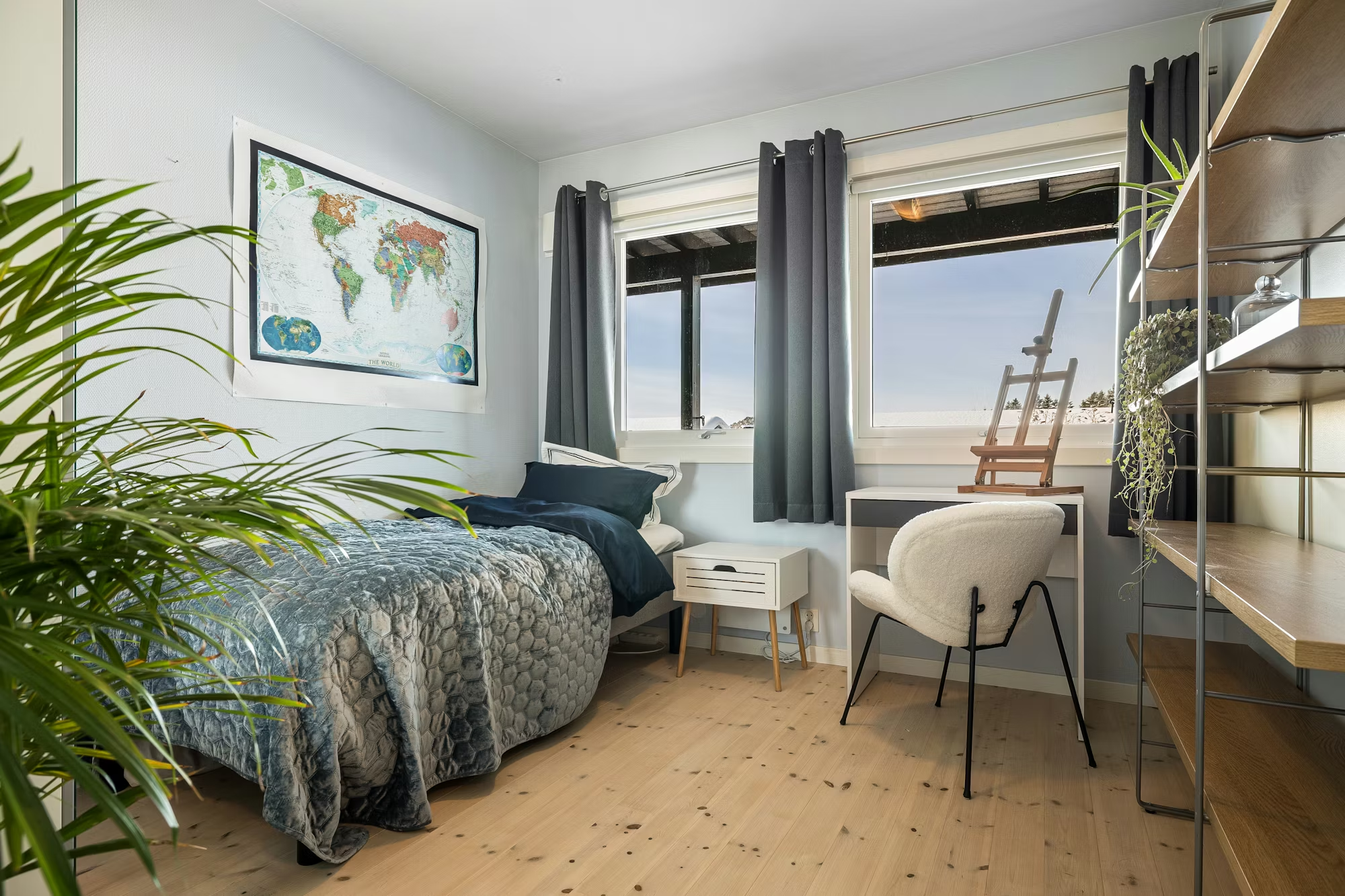
Sustainable living is no longer just a trend; it’s a necessity for the future of our planet. As awareness of environmental issues grows, many homeowners are looking to incorporate eco-friendly practices into their living spaces. This article delves into the principles of sustainable living in home design, offering practical tips and strategies for creating eco-friendly spaces that benefit both the environment and the occupants.
Understanding Sustainable Design
Sustainable design focuses on creating spaces that minimize environmental impact while enhancing the quality of life for their inhabitants. This approach emphasizes the use of renewable resources, energy efficiency, and waste reduction. By integrating these principles into home design, homeowners can contribute to a healthier planet and enjoy the benefits of a more efficient living environment.
Key Principles of Sustainable Living
1. Energy Efficiency:
Energy efficiency is a cornerstone of sustainable design. By reducing energy consumption, homeowners can lower their utility bills and reduce their carbon footprint. Simple changes, such as installing energy-efficient appliances, LED lighting, and smart thermostats, can make a significant difference.
2. Water Conservation:
Water conservation is another essential aspect of sustainable living. Implementing low-flow fixtures, rainwater harvesting systems, and drought-resistant landscaping can significantly reduce water usage. Homeowners can also choose appliances that use less water, such as efficient dishwashers and washing machines.
3. Sustainable Materials:
The choice of materials used in home construction and decor is crucial for sustainable design. Opting for materials that are renewable, recycled, or locally sourced can greatly minimize environmental impact. Bamboo flooring, recycled glass countertops, and reclaimed wood are excellent choices that add beauty and sustainability to any space.
Designing for Energy Efficiency
Creating an energy-efficient home involves thoughtful design and planning. Here are some strategies to consider:
1. Passive Solar Design:
Passive solar design harnesses sunlight for heating and cooling without the use of mechanical systems. This can be achieved by positioning windows to maximize natural light and using overhangs to block excessive heat in the summer. Well-insulated walls and roofs further enhance energy efficiency by keeping the indoor climate comfortable year-round.
2. Efficient Insulation:
High-quality insulation is vital for maintaining temperature control in a home. Proper insulation reduces the need for heating and cooling systems to work overtime, ultimately saving energy and costs. Consider using eco-friendly insulation materials like cellulose or sheep’s wool for added sustainability.
3. Renewable Energy Sources:
Integrating renewable energy sources, such as solar panels or wind turbines, can drastically reduce a home’s reliance on fossil fuels. Many homeowners find that investing in renewable energy pays off in the long run, both financially and environmentally.
Water Conservation Techniques
In addition to energy efficiency, water conservation plays a significant role in sustainable living. Here are some effective techniques:
1. Rainwater Harvesting:
Collecting rainwater for irrigation and non-potable uses can greatly reduce the demand on municipal water supplies. Installing rain barrels or cisterns can help homeowners capture and store rainwater, which can then be used for watering gardens or flushing toilets.
2. Xeriscaping:
Xeriscaping is a landscaping technique that focuses on drought-resistant plants, minimizing the need for irrigation. By selecting native and low-water plants, homeowners can create beautiful gardens that thrive on natural rainfall, conserving water and reducing maintenance efforts.
3. Smart Irrigation Systems:
Using smart irrigation systems that adjust watering schedules based on weather conditions can further enhance water conservation efforts. These systems ensure that plants receive the right amount of water without waste, promoting healthy growth while conserving resources.
Choosing Sustainable Materials
The materials selected for construction and decor have a profound impact on sustainability. Here are some tips for choosing eco-friendly materials:
1. Recycled and Upcycled Materials:
Incorporating recycled or upcycled materials into home design not only reduces waste but also adds character to spaces. Reclaimed wood, recycled metal, and upcycled furniture can create unique focal points while promoting sustainability.
2. Locally Sourced Products:
Choosing locally sourced materials minimizes the environmental impact associated with transportation. By supporting local businesses and artisans, homeowners can contribute to their community while ensuring that the materials used in their homes are fresh and unique.
3. Non-Toxic Finishes:
Opting for non-toxic paints, stains, and finishes helps maintain indoor air quality and reduces harmful chemical exposure. Many brands now offer eco-friendly options that provide excellent performance without compromising health or the environment.
Creating a Healthy Indoor Environment
Sustainable living extends beyond energy efficiency and materials; it also encompasses the creation of healthy indoor environments. Here are strategies to promote wellness within the home:
1. Ventilation and Air Quality:
Good indoor air quality is essential for a healthy living space. Incorporating proper ventilation, such as operable windows and exhaust fans, allows for fresh air circulation. Additionally, using air-purifying plants can enhance air quality and promote well-being.
2. Natural Light:
Maximizing natural light in a home contributes to both energy efficiency and occupant happiness. Well-placed windows, skylights, and open floor plans can create bright, airy spaces that boost mood and productivity.
3. Mindful Design Choices:
When designing spaces, consider the emotional impact of colors, textures, and layouts. Creating areas for relaxation, socializing, and connection fosters a sense of well-being and balance within the home.
The Role of Technology in Sustainable Living
Advancements in technology have made it easier than ever to create sustainable homes. Here are some ways technology can enhance eco-friendly living:
1. Smart Home Systems:
Smart home technology allows homeowners to monitor and control energy usage in real-time. Smart thermostats, lighting systems, and appliances can be programmed to optimize efficiency and reduce waste.
2. Energy Monitoring Tools:
Energy monitoring tools provide insights into energy consumption patterns, helping homeowners identify areas for improvement. By tracking usage, individuals can make informed decisions about reducing energy waste and enhancing efficiency.
3. Eco-Friendly Apps:
Numerous apps are available to assist homeowners in their sustainable living journey. From tracking water usage to finding eco-friendly products, these tools empower individuals to make environmentally conscious choices.
Conclusion
Sustainable living is a journey that begins at home. By embracing eco-friendly practices in design, homeowners can create spaces that not only benefit the environment but also enhance their quality of life. From energy efficiency and water conservation to the thoughtful selection of materials, every decision contributes to a healthier planet and a more harmonious living environment. As we move toward a more sustainable future, the choices we make today will shape the world for generations to come.